
Presents


Exposing the Myth of Light Rail
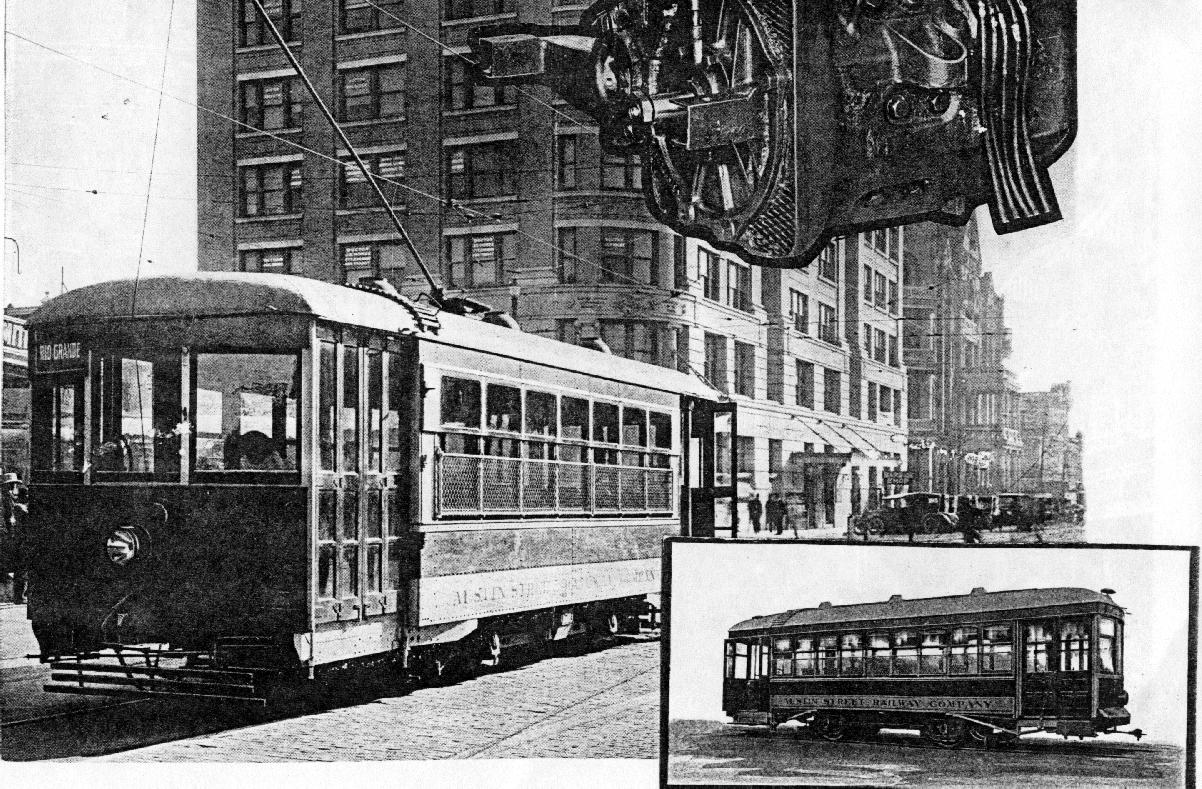
Sorry - Pictures Load Slow - But DO Show Proof - Austin HAD Light Rail Trolleys
| Jan 6 1875, After 4 years of planning, the Austin City Railroad Company dispatched it’s first mule drawn street car. On the inaugural run, while making a turn at 11th street and Congress AVE., in front of the Capitol, the car left the tracks and rolled over. Fortunately, no one was injured. | 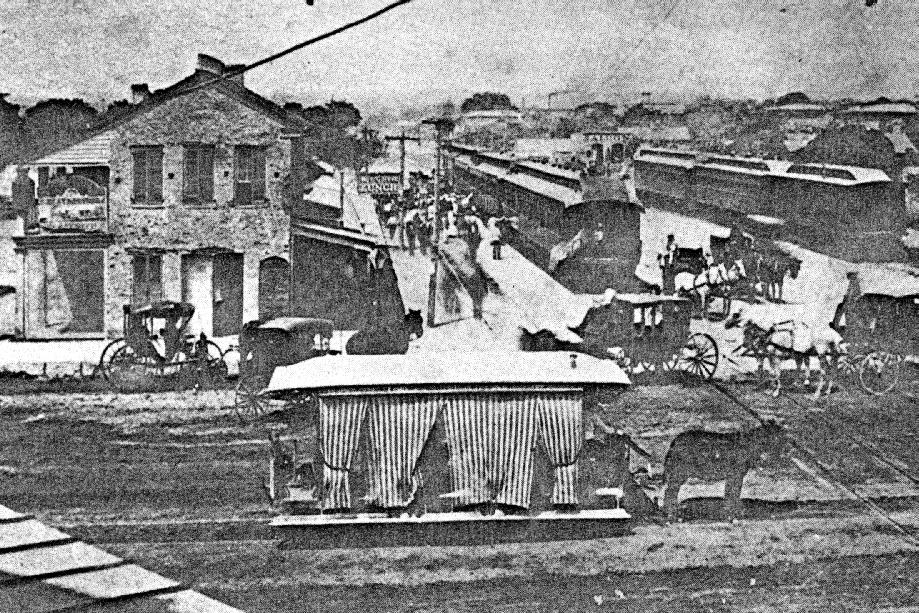 |
|
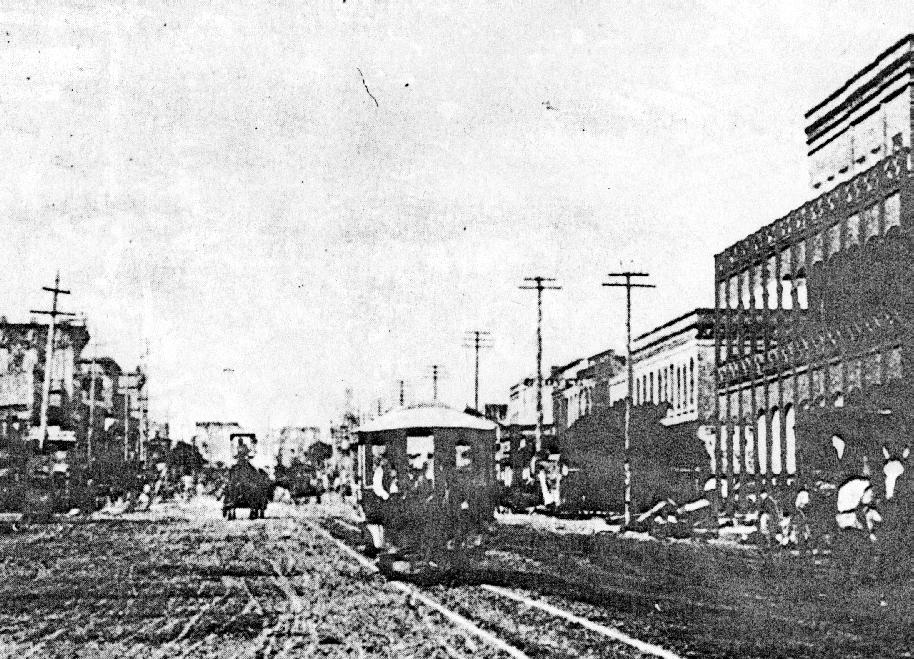
Jan 15 1975, The first paying passengers were hauled on the street car in the small city of 7,500. Receipts on the first Sunday were $116, on Saturday $43 and the following Sunday $73. $20.00 paid all the expenses of the line, reported the Austin Democratic Statesman. The paper also reported the line was earning an average $50.00 a day which far exceeded the expectations of the company. The fare was .05 cents. The length of the line was 1.5 miles |
 |
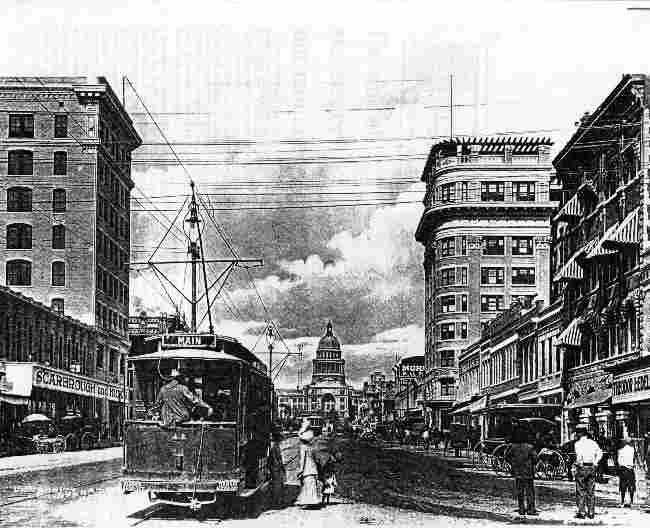
| Feb. 26 1891 - Austin Rapid Transit Railway put it’s new electric car on Congress Ave. 2,000 people rode on the first day. Problems plagued the line. The system was neglected, for four years and in need of repair. There were fires and power plant failures and when the dam broke on the Colorado River, the electric trolley could not operate. The street car company continued to loose money. In 1908, the line netted $20,000. Reports indicate the private company paid dividends during the years 1911 to 1915 of $61,000 for the 1st year; the next two, $37,000, the last year $9,000 and then the stock holders received no dividends. |
 |
| Dec. 1914 Efforts were made to encourage riders. "It is not practical or economical to keep a horse and carriage to go down town - Walking is to fatiguing - The streetcar solves every problem of getting everywhere." Another plea "You won't put wear and tear on your tires by riding the streetcar." The fare was raised to 7 cents for adults. The street car line changed hands several times during the following years and money was pumped into the system by private individuals. | 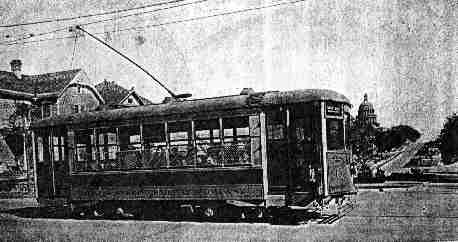 |
| July 5 1929 - The fare was raised to 10 cents. From the years 1925-1933 there were 23 miles of track laid for the line. During that time, experiments with buses were started. By 1939, service only remained on 17 miles of street car line. The bus route was increased to 29 miles. | 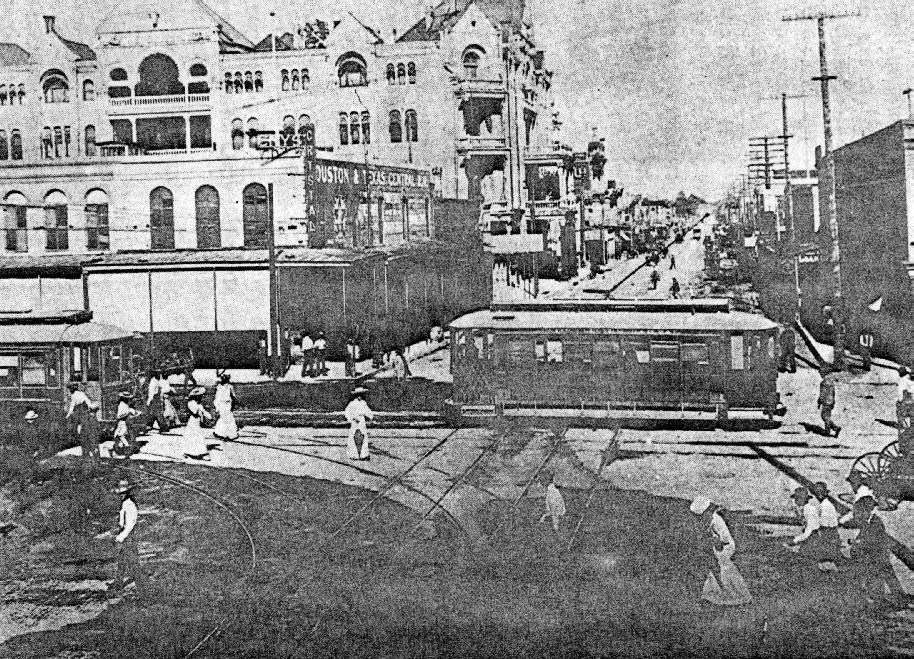 |
| Feb. 07 1940 A celebration marked
the passing of electric street cars and the start of the new buses on the
mainline. The street car era in Austin had officially ended.
By 1942 all the tracks were removed and 50,000
pounds of steel was sent to the scrap heap for the war effort.
One physician gave a reason for regretting the passing of the street cars; "It was so convent for me to tell a patient to drink a glass of water every time the street car passed. Interesting note: The line was 16.2 miles long excluding the Congress Ave. line.Oct. 27 1971 The Austin American newspaper reported in a rail commentary that "Lack of Flexibility Biggest Disadvantage of Rail System." |
 |
| Dear Austin Taxpayers
I gleaned this chronology from information from the UT American History Library. Here you will find the history behind Austin's first light rail trolley system. Many major Texas cities HAD light rail but as the San Antonio papers of the 30’s reported - "Trolley was inflexible and not cost effective." Guess what? The light rail plan Capital Metro is proposing is also inflexible and not cost effective. The firm of Carter and Burgess said "In the last 25 years, light rail systems have been built in Baltimore, Buffalo, Dallas, Los Angles, Pittsburgh, Portland, Sacramento, San Diego, San Jose, and St. Louis. These rail systems were sold with promises that they would attract more riders than buses, reduce pollution and ease congestion. Not even one of them has had any impact on either congestion or pollution. Typical rider ship has been 50 to 60% below initial projections and the total cost per rail passenger has been underestimated by 200 to 400%. Only in Houston, were planners choose to concentrate on road based solution, has transit produced measurable improvement. The problem is that rail is slow, inconvenient, and unable to adjust to changing travel patterns. Buses, automobiles and vanpools always beat rail in terms of cost, flexibility and convenience. In Sacramento, planners found that replacing buses with light rail increased transit journey times by 10 to 20 minutes. In Portland (the poster city for light rail) The Banfield freeway system carries 10 times more people than does the MAX light rail." Mass transit use in America is declining and to invest in an the most expensive and one of the oldest methods, is insanity. There are many more examples on www.railroadingamerica.com. Before you vote for light rail - study both sides. The vote in November will give Cap Metro a "forever" free hand to fleece this city and the Federal Government of billions to complete their empire building. They will make many outlandish predictions. They will plead with you just as they did in 1914. They will tell you rail will clear the air, be cost effective and will remove "thousands" of cars from the road. Well folks, it hasn't happened anywhere else in America. |

Click on
To Go To Home Page